
Community Life
The presence of the railway transformed High Camp into a small but active settlement.
Around the station grew a network of community facilities in the 1890’s and in the early 1900’s. There was a timber yard, a post office, a school – the High Camp Plains State School No 2276, a hotel and even a racecourse. The High Camp Plains Hotel, known as Carstens Junction Hotel was operated by Mr Denis Griffin near the corner of High Camp and Back Creek Road while the tennis courts and Presbyterian church were situated on High Camp Road. Between 1888-1998 High Camp had its own football team, and horse races were conducted on the creek flats.
Residents flocked to sports days and dances and regular social functions were held to mark important occasions in the district.
The tennis courts situated on High Camp Road were an important part of the community. The facilities were used for community functions such as farewells to residents leaving the district and other community celebrations. Several of the Stimson brothers were well known in the district for their tennis prowess.
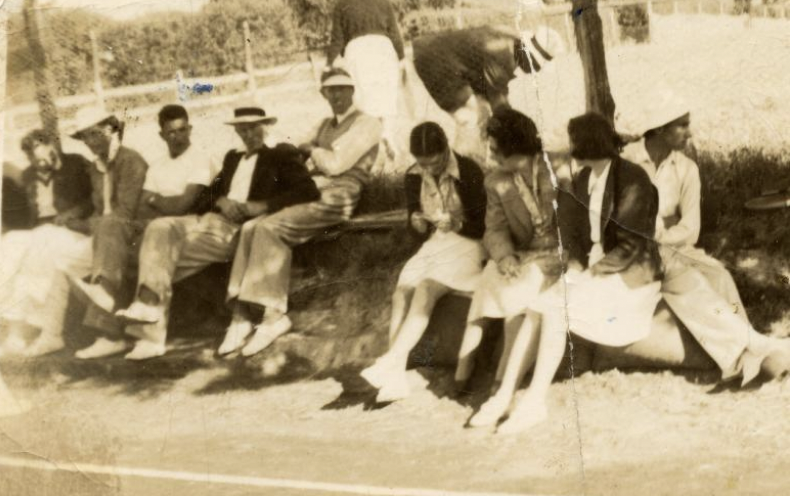
A group at Munkton’s tennis courts, Glenaroua including Bill Stimson, in 1932. Photo courtesy Stimson Family Archive
Early School days in High Camp
In the early days rural areas of Victoria were populated by small one-teacher schools every few kilometres.
Close to High Camp were schools at Glenaroua, High Camp and Willomavin. Often the teacher had to divide their time between the schools.
The High Camp Plains School began life on the property of the late William Crawford in 1880 before moving to its final site near the High Camp Railway Station in 1907.
The railway school site was leased from the Railways Department from March 1903 for 21 years until February 1926. Two acres was again leased from the Victorian Railways Commissioners until 1947 for five shillings per annum. From reports of the day, it is believed the school was situated some 200 yards from the station near large pine trees.
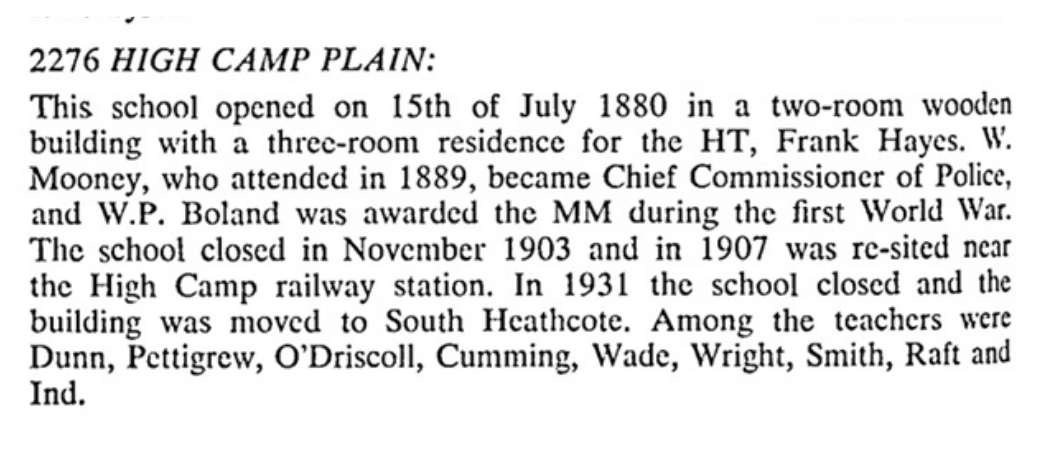
Source: Vision and realisation: A centenary history of state education in Victoria.
The school was so close to the line that students reported having difficulty concentrating because of the noise of the wheeling and screeching of the train line and continued sound of the saws from the nearby timber yard going all day.
It appears that during the school’s early years the teacher resource was shared with Nulla Vale Primary School. There is correspondence between a David W Clarke, presumed to be the teacher, in 1916 asking for support for the travel he had to undertake between the two schools. In 1918 he was living at the teacher’s residence at High Camp which consisted of two small rooms (13-ft by 9-ft and nine-ft by nine-ft) and a kitchen.
After pressure was placed on the department the High Camp Plains school was made “full time” in March 1919.
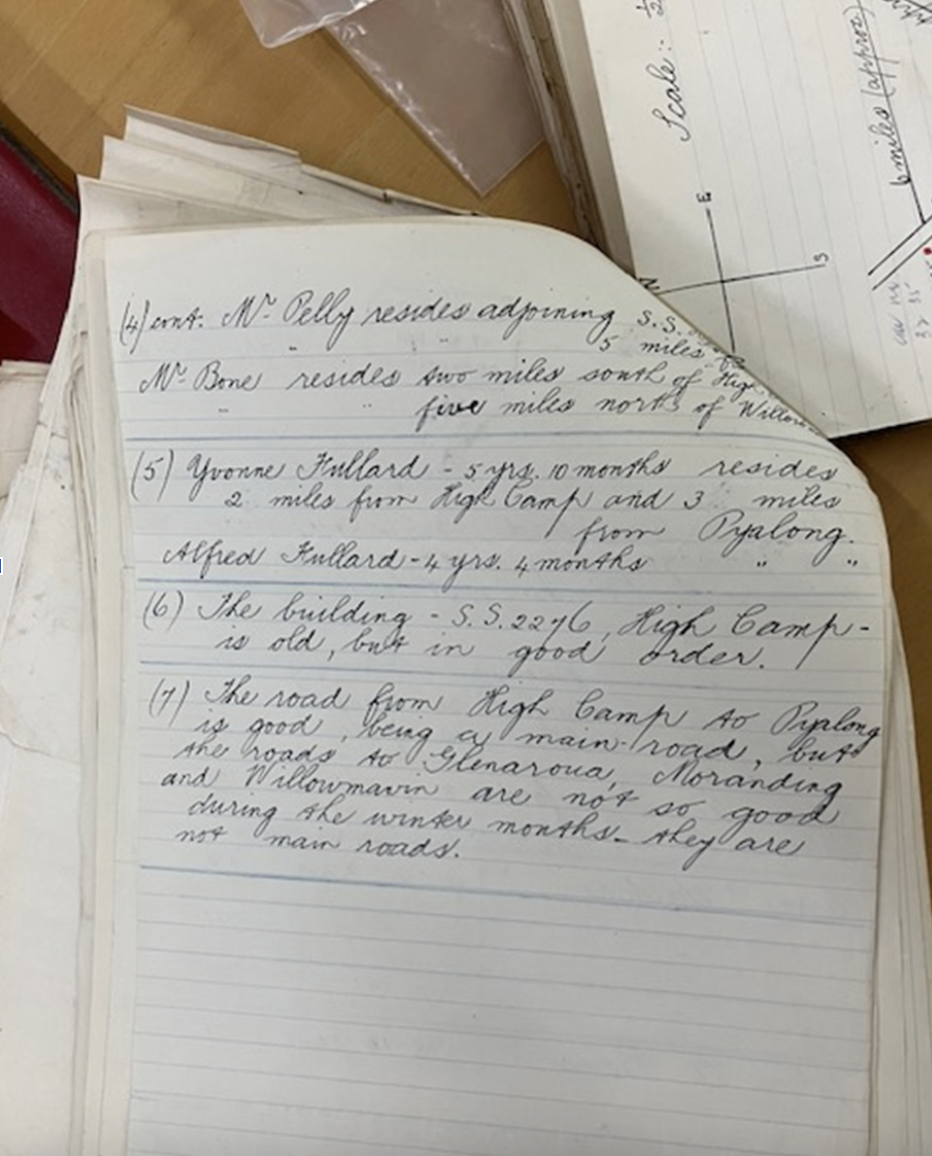
The school’s closure was imminent in 1931 when there were only eight children attending, with one child being over the age of 14 and one nearing 14 (presumably the age when children were expected to leave school). Departmental reports state that there were possibly two new pupils expected in the future, but they lived some distance from the school.
Evidence of how critical it was that children attend school is seen in a letter from the department to a parent admonishing them for not ensuring their child’s attendance.
The school was moved to Heathcote South in 1931.
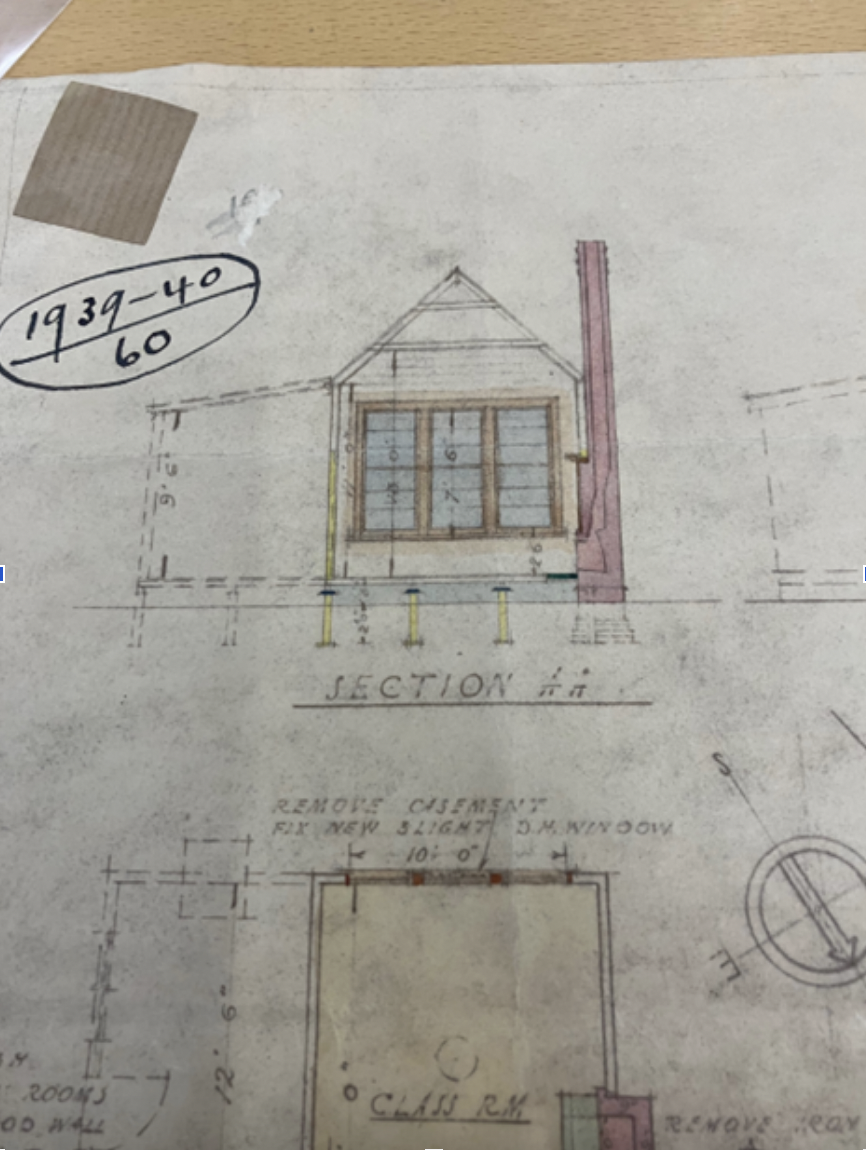
Plans of the school building before it was moved to Heathcote South. These are dated 1939-40.
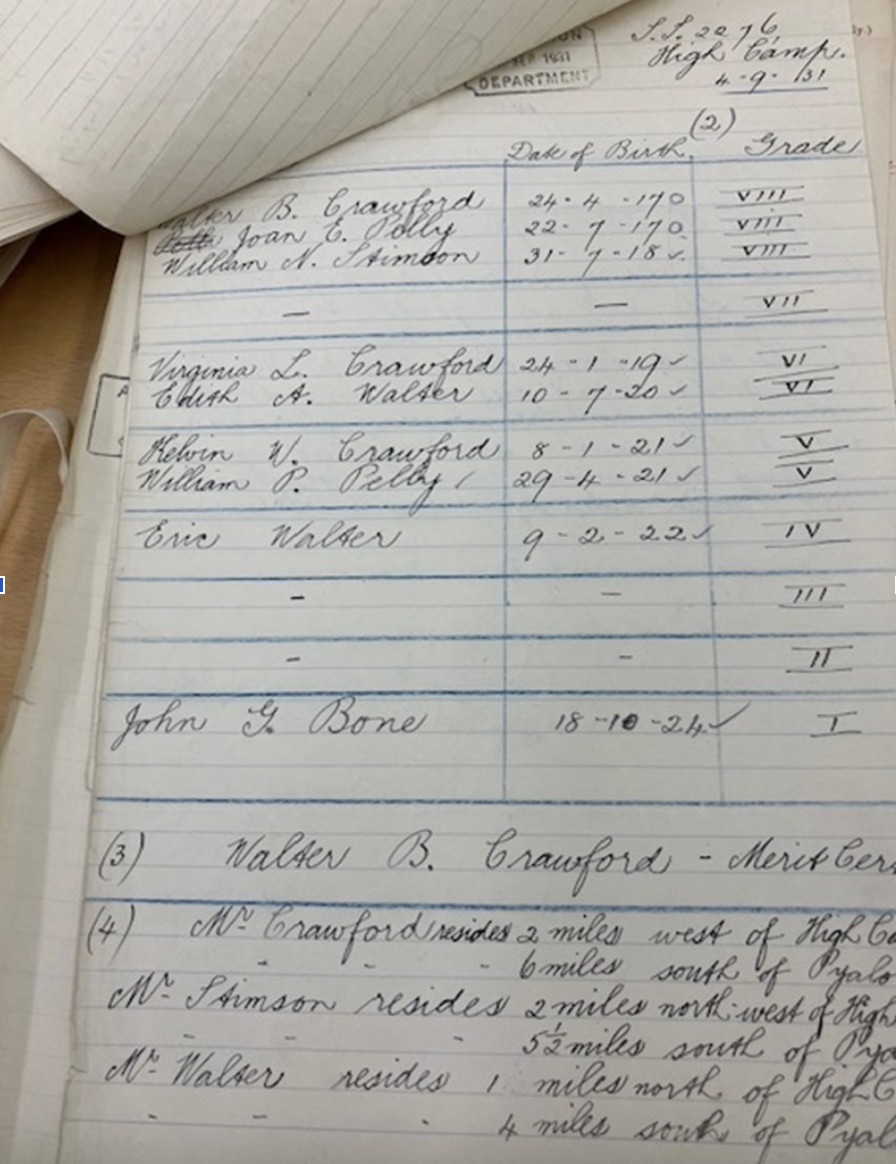
Students at High Camp Plains School in 1930 with details of what grade they were in and how far they lived from the school. It appears the school went up to what we now consider to be Year 8.
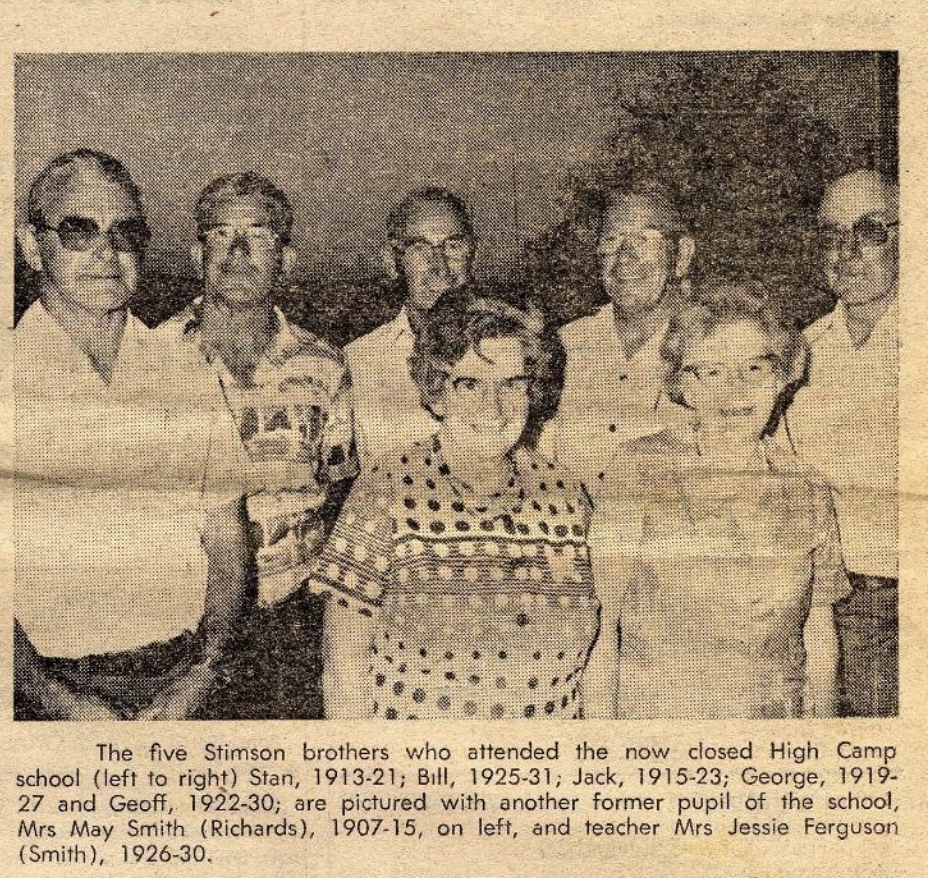
Pyalong and High Camp School reunion Photo Kilmore Free Press February 1978
The five Stimson brothers, pictured left, went to the High Camp School No 2276 beside the station. Mrs May Smith (nee Richards) also pictured here lived at “Mollison Park” between 1906 and 1918. She remembered listening for the toot of the train and then trying to keep pace with the train as she rode her pony across the paddock. With them is Mrs Jessie Ferguson who taught at the school from 1926 to 1930.