
Construction and Operation
The opening of the Heathcote Junction to Heathcote Railway Line in 1890 marked a turning point for High Camp. Built to support the movement of timber, livestock and agricultural goods, the line connected rural communities to larger markets and services.
High Camp Station was variously known as Glenaroua, High Camp Plain and finally High Camp and served as the closest rail access point for the surrounding district. For decades before it closed in 1965 and then dismantled in 1975 it was central to everyday life, carrying mail, goods and passengers.
High Camp Station underwent many changes over its life-time and these are not obvious with a casual inspection of the site today. In basic terms, Crawfords Road did not cross on its current alignment. A map of the land sale after the line closed shows a different alignment with the road crossing the line at about 100 metres beyond the current road alignment, a short distance on the Heathcote side of the still-standing No. 2 Road buffer stop, at the Down end of the station.
There were two access or approach roads from the highway into the station. The Down end approach road is visible between the goods platform and Crawfords Road. Another approach road existed near the Up end of the station. Access was also available to the West, or passenger side, from Crawfords Road, near the bend.
A walk around the station precinct, especially under the pine trees, reveals other evidence of station infrastructure. Between Crawfords Road and the buffer stop are the remains of the stock yards loading platform. Pieces of concrete, possibly from the stockyard fencing, are also scattered in this area.
The original road crossing is behind the buffer stop as depicted in the image above. The nearby Northern Highway was re-aligned in the 1970s.
By the middle of the 20th century Australia’s love affair with trains was declining as car ownership increased. There was a partial closure in 1958, followed by regular passenger services ceasing in 1965 and the line fully closing in 1968. The track between Heathcote Junction and Heathcote was dismantled in 1975 and the land mostly now in private hands. The Station Masters house was removed and became a private home.
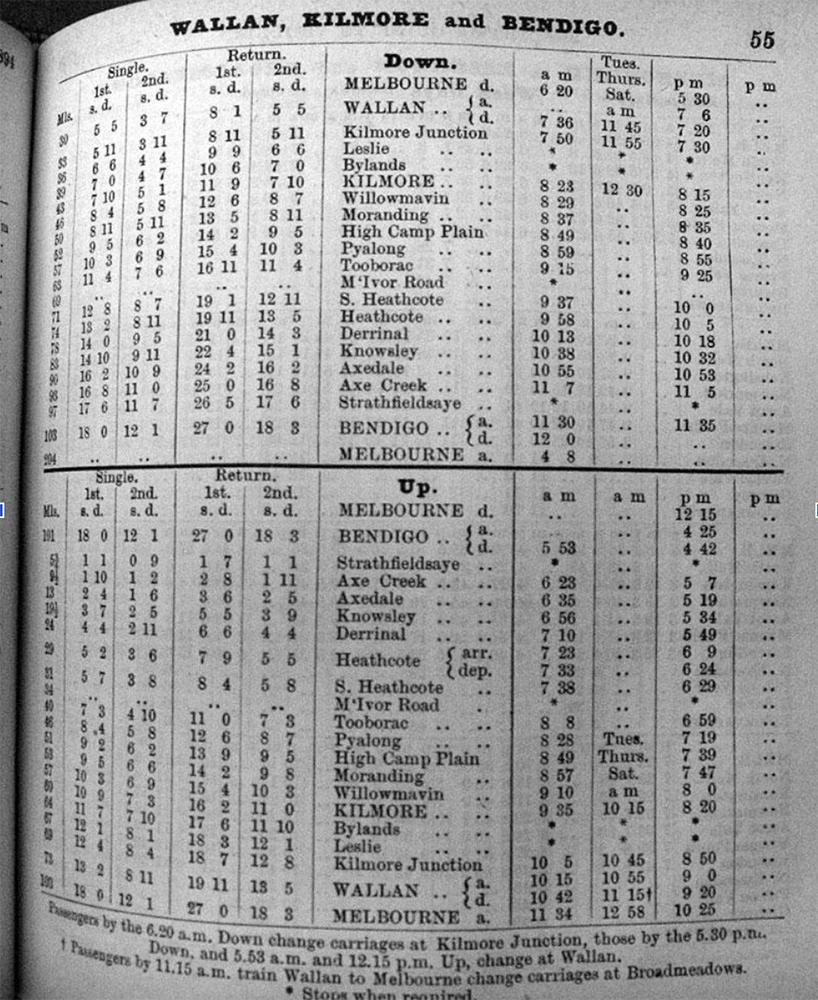
A Railway timetable (date unknown) shows the number of stations enroute from Melbourne to Bendigo and the time it took to travel to the city from High Camp Plains –a lengthy two- and-a-quarter hours. The price of return tickets was surprisingly high – 14 shillings and tuppence return in First Class and nine shillings and fivepence in Second. The return fare for First Class equates to around $25 in today’s money.
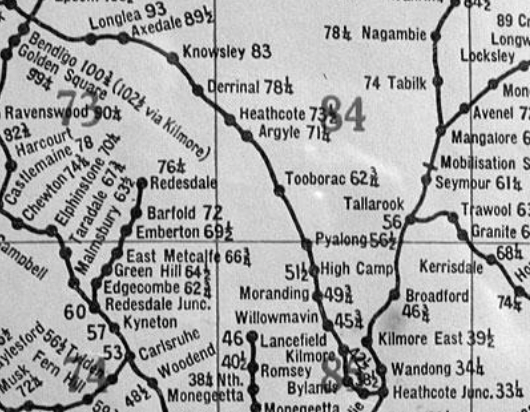
The once-was network of railways. Distances are in miles.
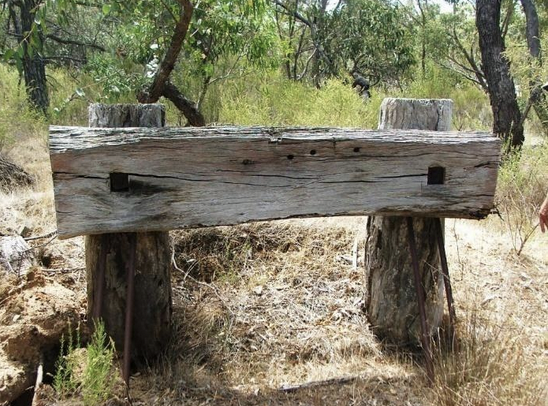
No.2 Road buffer stop, 90 metres north of Crawford’s Road, High Camp. Photo: Kevin Crockett, 2015.
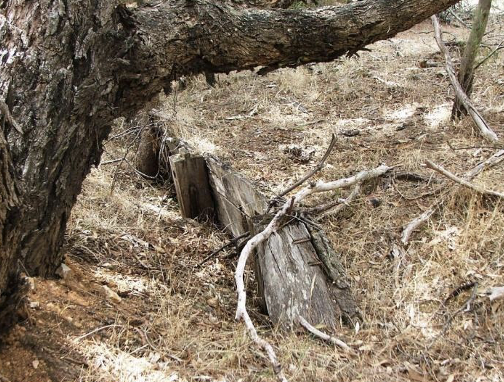
Little remains of the Stockyards loading platform. Photo Kevin Crockett, 2015
Timeline of closures
October 1962 – High Camp is reduced to No-one-in-Charge.
July 1963 – The cattle race is removed.
June 1965 – The station is closed to passengers.
November 1966 – The sheep race is removed.
November 1968 – Finally closed to all traffic.
June 20, 1965, marked the last regular passenger train Heathcote Junction to Heathcote. While on the Kilmore/Heathcote Junction section, driver Bill Clugston took the rail motor on its last official timetabled journey on June 26, 1965.
On November 6, 1968, the last regular goods train ran from Heathcote Junction to Heathcote.
On November 7, 1968, the section of line from Heathcote Junction to Heathcote was officially closed.
Two days later on November 9 1968 a commemorative steam train made one last run up to Heathcote.
A full timeline is here
High Camp Station
In the 1890’s and early into the next century Victoria was well-served by railway lines which criss-crossed the State.
Unlike today’s trains which mostly carry commuter traffic, the train lines of old were an integral part of the community and there were train stations every few kilometres. Residents of settlements like High Camp relied on the train to get their stock to markets down south, their timber to the timber yards and their milk, butter and cream to processing dairies. The trains were also their lifeline to the outside world. They brought the mail from down south and vital things that farmers needed, such as superphosphate fertiliser.
The station at High Camp contributed to the life and, indeed, growth of the community in other ways. A station requires a Station Master or Mistress and the late Gordon Fullard courted and married Miss Mabel Millard when she was appointed Temporary Station Mistress. The late Norman Fullard courted and wed Miss Mary Wright, a teacher at the High Camp State School, located in the station grounds in 1923.
There were two houses at the station in the early days– one for the station master/mistress and one for the men who toiled on the line.
Collecting the mail after the train came in was an important part of the day.
“When I was old enough to get in the car, I’d go down to get the mail,”
Colin Stimson says.
The late John Leahy, when talking about mail from the station, relayed:
“That was done by horse and jinker. Paul Fleming, Jock’s uncle, used to do that. There was a post office down at Glenaroua and there was also one at Pine View Upper Glenaroua, but that closed after Leahy’s came there. Apparently there were two post offices. But earlier Paul Fleming used to go up to the station three times per week.”
The station master or mistress held a certain status in the small settlement. A Mrs Sutton (shown in the photo above) held the position of Station Mistress for 17 years and at a farewell function in the district she was described in the Kilmore Free Press as “one of the most capable and able officers on the line”.
Just 10 years after the opening of the line, the Kilmore bushfires of February 1900 had a big impact on the small settlement at that time. The local newspaper reported that the Presbyterian Church was “saved with difficulty” and Carstens Hotel “had a narrow escape.”
The bushfires in the High Camp Plain district “were the most disastrous ever known locally” according to the Kilmore Free Press.
“The whole country for miles was a mass of flames.”
It was only through the actions of a gang of men from Kilmore that the railway station was saved but all the fences and yards were destroyed, the paper reported.
Further tragedy struck in October 1907 when a goods train from Wallan to Tooborac left the rails when approaching the bridge spanning the Kurkuruc Creek, plunging into the creek. Both the engine driver and fireman were killed. The guard, who had hurried to the High Camp station to report the accident, survived. At the time it was Victoria’s worst rail disaster.
Another serious accident occurred in March 1942 when the 6.15am train from Heathcote crashed at the first of three rail crossings between Pyalong and High Camp. All 23 passengers were injured but only three were admitted to hospital. The derailment was caused by sand and gravel being washed across the level crossing. The Argus Melbourne reported “Thrown on its side the Diesel rail motor ripped through the redgum beams of the cattle pits and skidded nearly 40 yards before coming to a rest at right angles to the track”. Despite being injured, Pat Ryan of Pyalong, ran to a nearby farm to seek assistance.
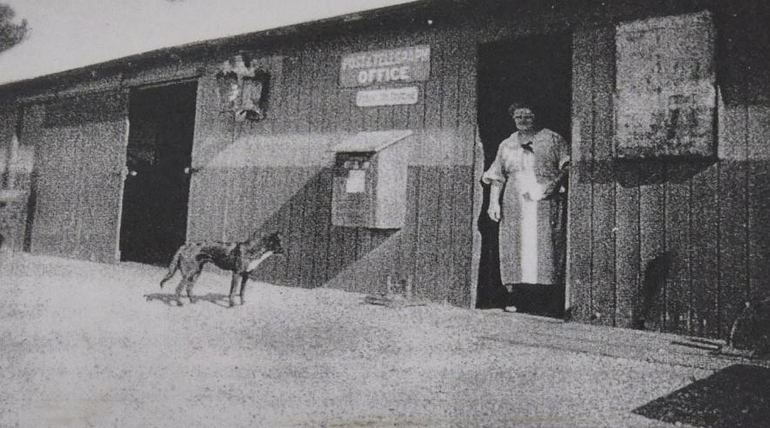
High Camp Railway Station, Mrs Sutton the Station Mistress in the doorway.
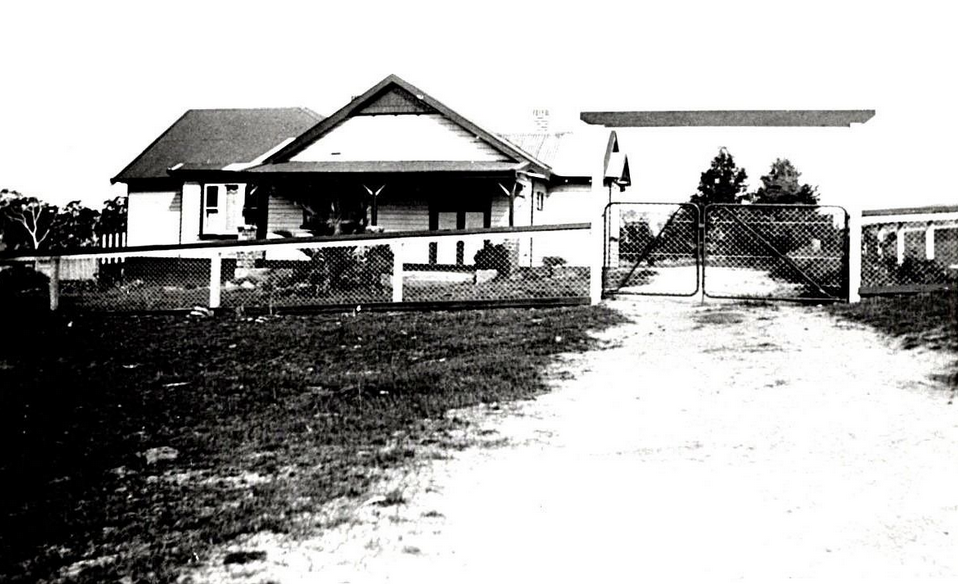
The High Camp Station Master’s house (thought to be around the 1930’s) after it was moved to “Kerami” on the Ryan’s property where it was used as their family home until the 1950’s. Over the years there has been additions to the original building. Photo courtesy Loretta Ryan.
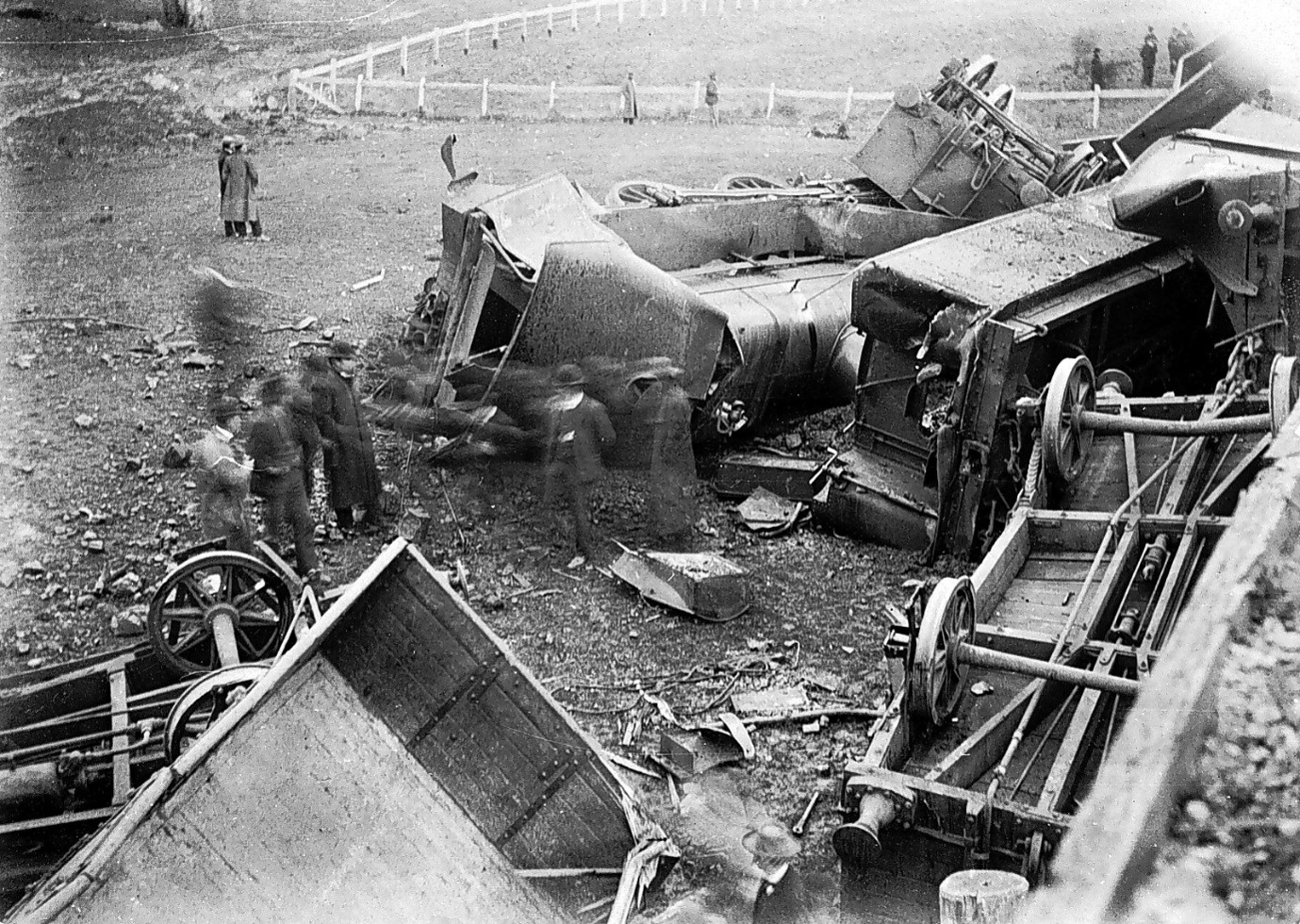
Men inspecting the remains of the derailed train at Moranding. Photo courtesy Museums of Victoria Collection.
The late John Leahy 93, formerly of Pine View Glenaroua, on his first memories of High Camp Station in the late 1930s, aged about eight years.
“Probably the first memory would be going to the Melbourne show with Auntie Molly and Kit. I think they had an old rugby car. Dad probably drove us to High Camp and we caught a steam train to Heathcote Junction. Now I’m not sure whether that train went all the way to Melbourne, or whether it linked up with a train on the Melbourne train line, I’m not sure, but we finished up at the Melbourne show. That was an experience because you could open the windows on the old trains and we were always told, don’t put your head out because you’ll get a face full of soot from the steam engine.”
Funny incident –Jack Leahy, John’s Dad using the buckets of water at the station.
“Dad had an old Hupmobile car. One time that we had to go to the dentist. He spent a lot of time adjusting the brakes because it had mechanical brakes on it. And he must have left something a bit tight and we were heading to Melbourne. He got to High Camp and we could get this awful burning smell and ohh he’d tightened the brakes up too much, so he pulled into the railway station. A couple of buckets of water there, he got, and he threw the water over the brakes of the car. And then we continued on to Melbourne.”
A Memorable Journey – Ruth Ryan
There is one train journey that I remember well. I think it was before I started school. Mum took Gerard, Tom and me to Melbourne on the train from Pyalong. She normally drove to Melbourne as her mother lived in Essendon but this day, to give us a special experience, we went by train. The train that ran from Heathcote-to-Heathcote Junction was what they called a motor-train. The driver was behind a small wooden partition, a bit like today’s tram drivers, but there was also a seat for passengers beside the driver’s seat. We three kids sat on this front seat which gave us a great view out the front of the train, and we were able to watch and chat with the train driver as he drove the train. I think we also shared a bag of lollies from Mr White at the Pyalong General Store! We changed trains at Heathcote Junction and were most disappointed that we could not sit beside the driver!
Community Life
The presence of the railway transformed High Camp into a small but active settlement.
Around the station grew a network of community facilities in the 1890’s and in the early 1900’s. There was a timber yard, a post office, a school – the High Camp Plains State School No 2276, a hotel and even a racecourse. The High Camp Plains Hotel, known as Carstens Junction Hotel was operated by Mr Denis Griffin near the corner of High Camp and Back Creek Road while the tennis courts and Presbyterian church were situated on High Camp Road. Between 1888-1998 High Camp had its own football team, and horse races were conducted on the creek flats.
Residents flocked to sports days and dances and regular social functions were held to mark important occasions in the district.
The tennis courts situated on High Camp Road were an important part of the community. The facilities were used for community functions such as farewells to residents leaving the district and other community celebrations. Several of the Stimson brothers were well known in the district for their tennis prowess.
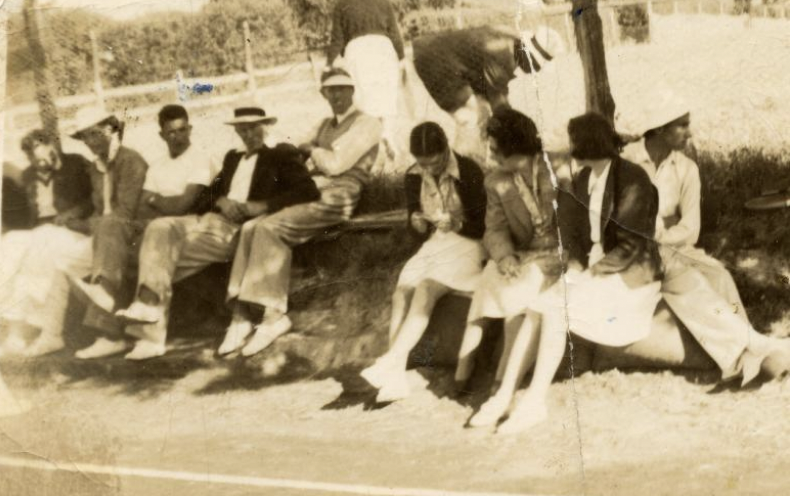
A group at Munkton’s tennis courts, Glenaroua including Bill Stimson, in 1932. Photo courtesy Stimson Family Archive
Early School days in High Camp
In the early days rural areas of Victoria were populated by small one-teacher schools every few kilometres.
Close to High Camp were schools at Glenaroua, High Camp and Willomavin. Often the teacher had to divide their time between the schools.
The High Camp Plains School began life on the property of the late William Crawford in 1880 before moving to its final site near the High Camp Railway Station in 1907.
The railway school site was leased from the Railways Department from March 1903 for 21 years until February 1926. Two acres was again leased from the Victorian Railways Commissioners until 1947 for five shillings per annum. From reports of the day, it is believed the school was situated some 200 yards from the station near large pine trees.
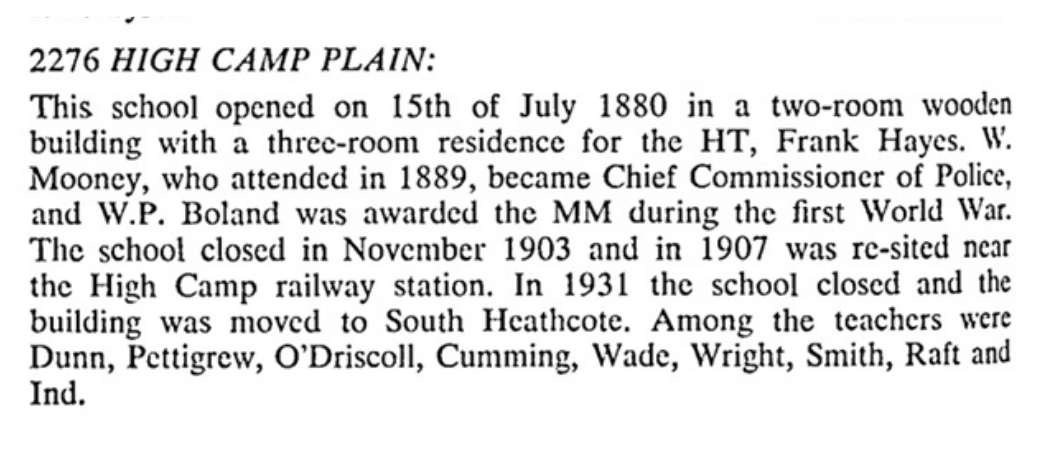
Source: Vision and realisation: A centenary history of state education in Victoria.
The school was so close to the line that students reported having difficulty concentrating because of the noise of the wheeling and screeching of the train line and continued sound of the saws from the nearby timber yard going all day.
It appears that during the school’s early years the teacher resource was shared with Nulla Vale Primary School. There is correspondence between a David W Clarke, presumed to be the teacher, in 1916 asking for support for the travel he had to undertake between the two schools. In 1918 he was living at the teacher’s residence at High Camp which consisted of two small rooms (13-ft by 9-ft and nine-ft by nine-ft) and a kitchen.
After pressure was placed on the department the High Camp Plains school was made “full time” in March 1919.
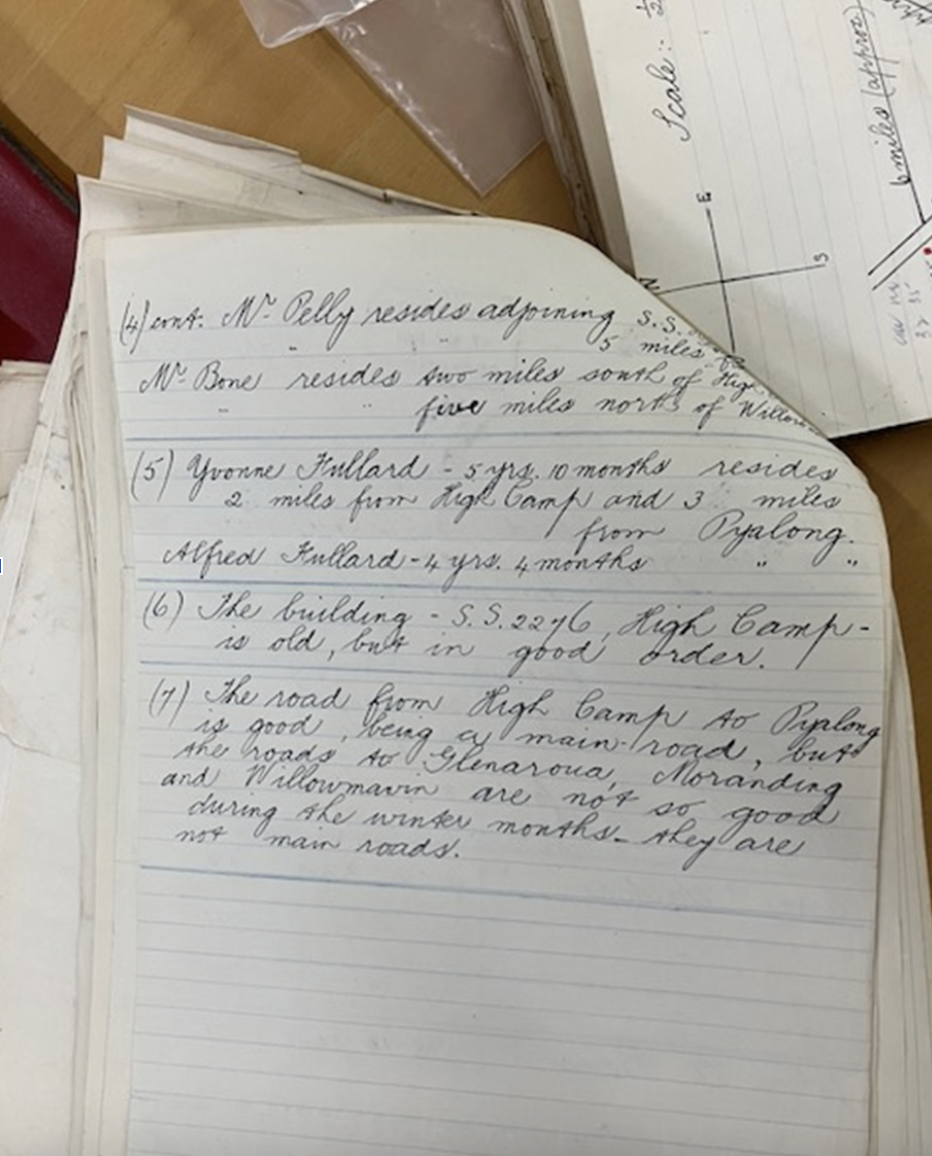
The school’s closure was imminent in 1931 when there were only eight children attending, with one child being over the age of 14 and one nearing 14 (presumably the age when children were expected to leave school). Departmental reports state that there were possibly two new pupils expected in the future, but they lived some distance from the school.
Evidence of how critical it was that children attend school is seen in a letter from the department to a parent admonishing them for not ensuring their child’s attendance.
The school was moved to Heathcote South in 1931.
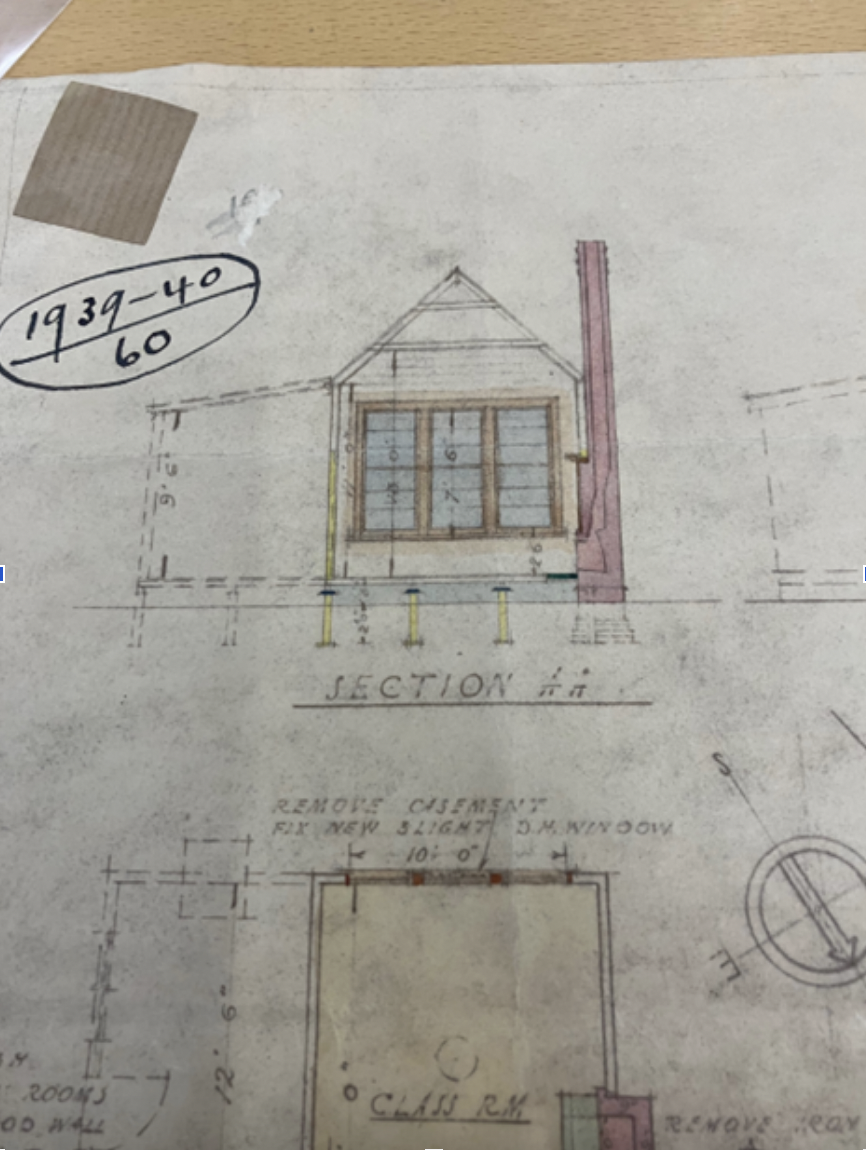
Plans of the school building before it was moved to Heathcote South. These are dated 1939-40.
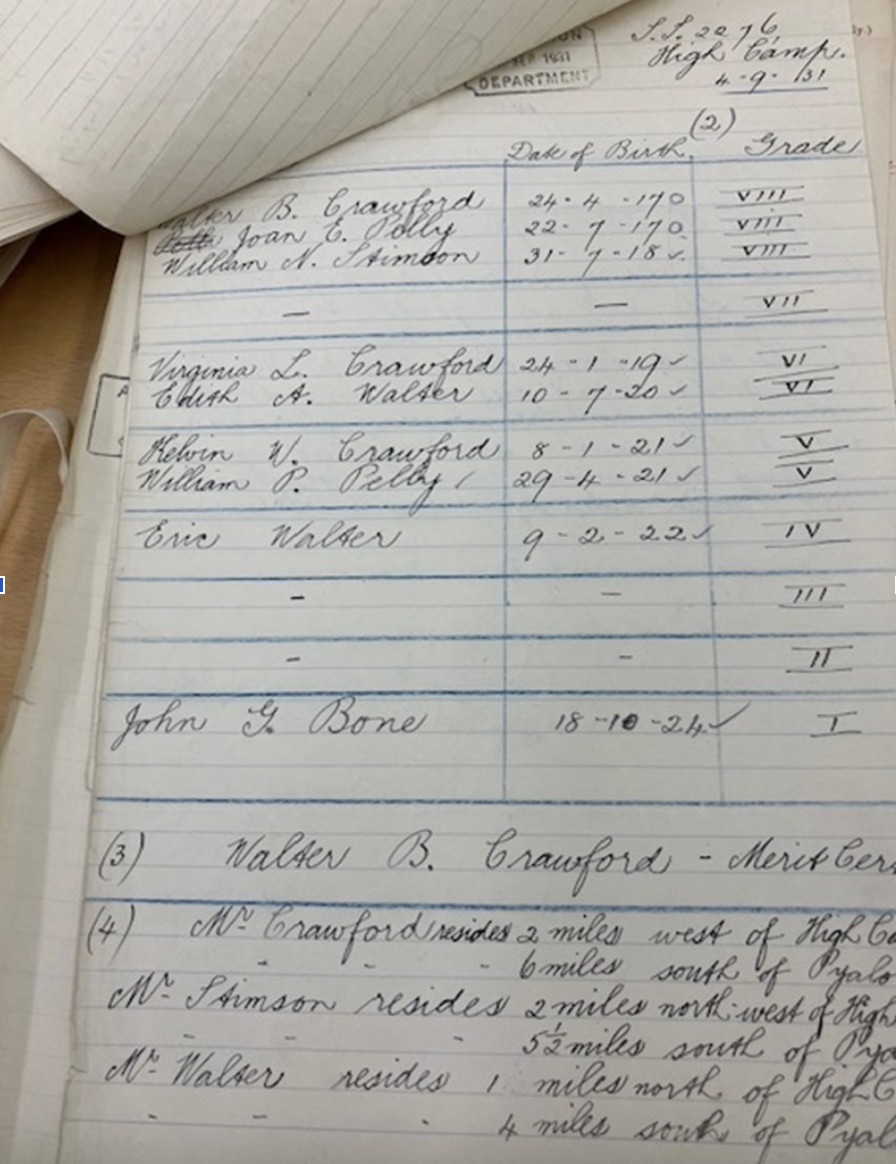
Students at High Camp Plains School in 1930 with details of what grade they were in and how far they lived from the school. It appears the school went up to what we now consider to be Year 8.
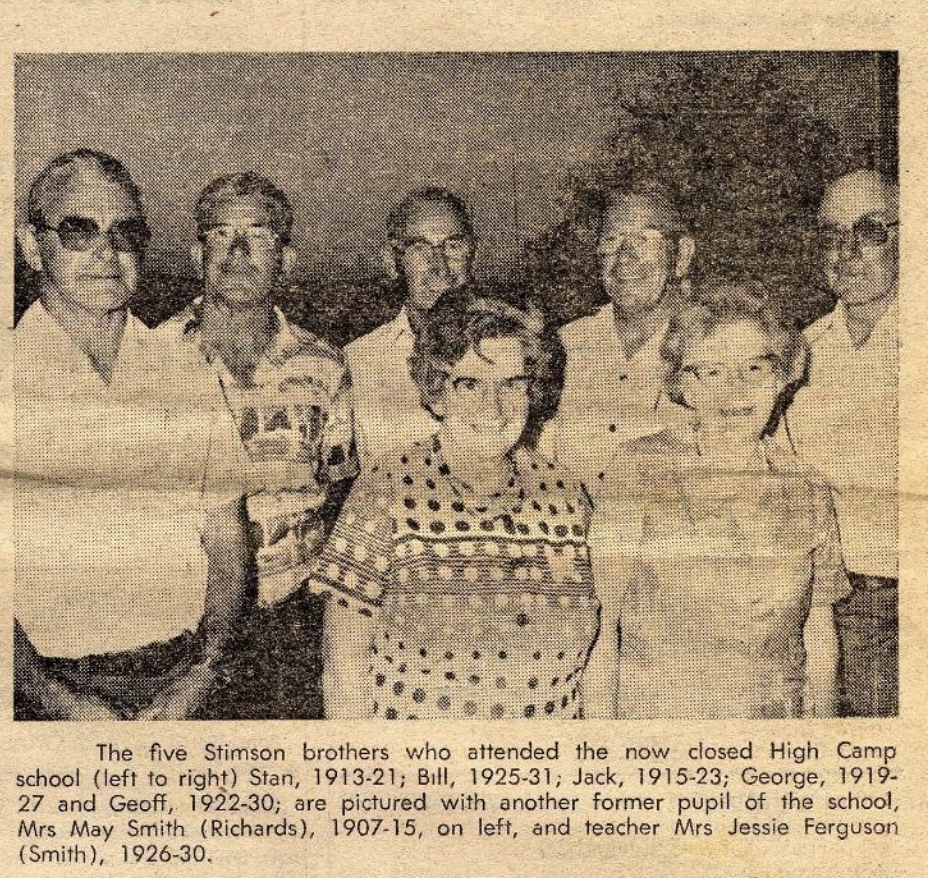
Pyalong and High Camp School reunion Photo Kilmore Free Press February 1978
The five Stimson brothers, pictured left, went to the High Camp School No 2276 beside the station. Mrs May Smith (nee Richards) also pictured here lived at “Mollison Park” between 1906 and 1918. She remembered listening for the toot of the train and then trying to keep pace with the train as she rode her pony across the paddock. With them is Mrs Jessie Ferguson who taught at the school from 1926 to 1930.